


Introduction
Knowing how early you should arrive for a flight is one of the most important parts of stress-free travel. Many passengers underestimate the time needed at the airport, which often leads to unnecessary panic, missed flights, or rushed security checks. On the other hand, arriving too early can also cause boredom and wasted time. Finding the right balance is essential for a smooth travel experience.
In general, how early you should arrive for a flight depends on several factors such as whether it is a domestic or international journey, the airline rules, the airport size, and even the time of day. Busy airports usually require more time because of long queues at check-in, security screening, and immigration counters.
Most airlines recommend arriving at least 2 hours before domestic flights and 3 hours before international flights. However, this is only a general guideline. In real-life situations, peak travel seasons, security delays, or additional baggage checks can significantly increase waiting times.
In this article, we will explore everything you need to know about airport arrival timing, including detailed guidelines, benefits, risks, common mistakes, and expert tips. By the end, you will clearly understand how early you should arrive for a flight and how to plan your journey efficiently for a stress-free experience.
What is How Early Should You Arrive for a Flight?
How early you should arrive for a flight refers to the recommended time passengers should reach the airport before their scheduled departure. This timing ensures that travelers have enough time to complete all pre-flight procedures without rushing. These procedures include check-in, baggage drop, security screening, immigration (for international flights), and boarding.
Airlines and aviation authorities provide guidelines based on average airport processing times. For example, domestic flights typically require less processing time compared to international flights, which involve passport control and additional security checks.
The concept also varies depending on the airport infrastructure. Large international airports with heavy passenger traffic usually require earlier arrival compared to smaller regional airports. Additionally, low-cost airlines may have stricter boarding deadlines, making punctual arrival even more important.
Understanding how early you should arrive for a flight is not just about convenience; it is also about ensuring compliance with airline policies. If a passenger arrives late and misses check-in or boarding, the airline is not responsible for compensation. Therefore, proper timing plays a critical role in successful travel planning.
Why is How Early Should You Arrive for a Flight Important?
Knowing how early you should arrive for a flight is important for several reasons related to time management, security, and overall travel experience.
First, airports are unpredictable environments. Even a short delay at check-in or security can cause passengers to miss their flight. Arriving early provides a buffer against unexpected delays such as long queues or technical issues.
Second, airlines have strict boarding rules. Once the boarding gate closes, usually 20–45 minutes before departure, passengers are not allowed to board regardless of their ticket status. This makes timing extremely important.
Third, security procedures can vary in duration. Some passengers may require additional screening, especially if they are carrying unusual luggage or traveling internationally.
Finally, arriving early reduces stress. Travelers who reach the airport on time can complete procedures calmly, explore airport facilities, and prepare mentally for their journey. This improves the overall travel experience significantly.
Detailed Step-by-Step Guide
Step 1: Check Airline Recommendations
The first step in understanding how early you should arrive for a flight is checking your airline’s official guidelines. Most airlines clearly mention arrival times for both domestic and international flights.
Step 2: Consider Flight Type
Domestic flights usually require less time, while international flights require more preparation. Passport verification, customs checks, and document inspection take extra time.
Step 3: Evaluate Airport Size
Large airports have multiple terminals and long walking distances. This means you should arrive earlier than usual to navigate efficiently.
Step 4: Factor in Time of Travel
Peak hours such as mornings, weekends, and holidays often lead to longer queues. Adjust your arrival time accordingly.
Step 5: Complete Check-in Early
Online check-in can save time, but baggage drop still requires waiting. Arriving early ensures smooth completion of this step.
Step 6: Pass Security Screening
Security checks can be unpredictable. Removing electronics, liquids, and other restricted items takes time, so early arrival helps avoid rushing.
Step 7: Reach Boarding Gate on Time
After completing all steps, passengers should proceed directly to the boarding gate. Airports are large, and walking time can be longer than expected.
Benefits of Arriving Early for a Flight
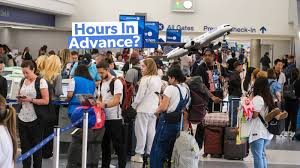
Arriving early for a flight offers several advantages that improve the overall travel experience.
- Reduces stress and travel anxiety
- Provides extra time for unexpected delays
- Ensures smooth check-in and baggage handling
- Allows time for security and immigration checks
- Gives opportunity to relax before boarding
- Helps avoid missing flights due to last-minute issues
- Provides access to airport lounges and facilities
These benefits clearly show why understanding how early you should arrive for a flight is essential for all travelers.
Disadvantages / Risks of Arriving Too Early or Too Late
While early arrival has benefits, arriving too early or too late can also create challenges.
- Long waiting time at the airport can cause boredom
- Extra spending on food and shopping at airport terminals
- Physical tiredness from long waiting periods
- Missing important updates if waiting too long
- Risk of missing flights if arriving late
- Increased stress and panic when time is short
- Possible extra fees for rebooking missed flights
Balancing timing is key to avoiding both extremes.
Common Mistakes to Avoid
Many travelers make mistakes when planning how early they should arrive for a flight.
One common mistake is underestimating traffic conditions on the way to the airport. Road congestion can significantly delay arrival times, especially in busy cities.
Another mistake is relying only on online check-in. While it saves time, it does not eliminate the need for baggage drop or security screening.
Some passengers also forget to check boarding gate closing times. Gates often close earlier than expected, and late arrival results in denied boarding.
Lastly, many travelers ignore peak travel seasons. Holidays and weekends increase passenger traffic, requiring earlier arrival than usual.
FAQs
1. How early should I arrive for a domestic flight?
You should arrive at least 2 hours before departure to complete check-in and security procedures smoothly.
2. How early should I arrive for an international flight?
It is recommended to arrive 3 hours before your international flight due to extra immigration and document checks.
3. What happens if I arrive late for my flight?
If you arrive after check-in or boarding closes, you may lose your ticket and the airline may not offer compensation.
4. Can online check-in reduce airport arrival time?
Yes, online check-in saves time, but you still need to go through baggage drop and security checks.
5. Do all airports require the same arrival time?
No, larger airports usually require earlier arrival due to longer queues and walking distances.
6. Is it better to arrive too early or slightly late?
It is always better to arrive early to avoid stress and the risk of missing your flight.
Expert Tips & Bonus Points
Experts recommend always planning your journey to the airport with extra buffer time. Even if your flight is short-haul, unexpected delays can occur at any stage.
One useful tip is to always check real-time traffic before leaving home. Another smart strategy is to use mobile boarding passes to skip unnecessary queues.
Frequent travelers also suggest arriving early enough to enjoy airport amenities such as lounges, Wi-Fi zones, and dining areas.
Additionally, packing smartly and keeping important documents easily accessible can save valuable time during security checks.
Finally, always stay near your boarding gate after check-in. Many passengers lose track of time while shopping or relaxing and miss announcements.
Conclusion
Understanding how early you should arrive for a flight is essential for every traveler, whether you are a beginner or a frequent flyer. Proper timing ensures a smooth, stress-free airport experience and reduces the risk of missing your flight.
While general guidelines suggest arriving 2 hours before domestic flights and 3 hours before international flights, personal circumstances such as airport size, travel season, and traffic conditions can change this requirement. That is why planning ahead is always the best approach.
By arriving early, you give yourself enough time to complete check-in, pass security checks, and reach your boarding gate without rushing. This not only improves your travel experience but also gives you peace of mind before your journey begins.
On the other hand, poor timing can lead to unnecessary stress, missed flights, and financial loss. Therefore, always prioritize punctuality and smart planning.
In the end, knowing how early you should arrive for a flight is not just about following rules; it is about making your travel experience safe, comfortable, and enjoyable every single time you fly.
